
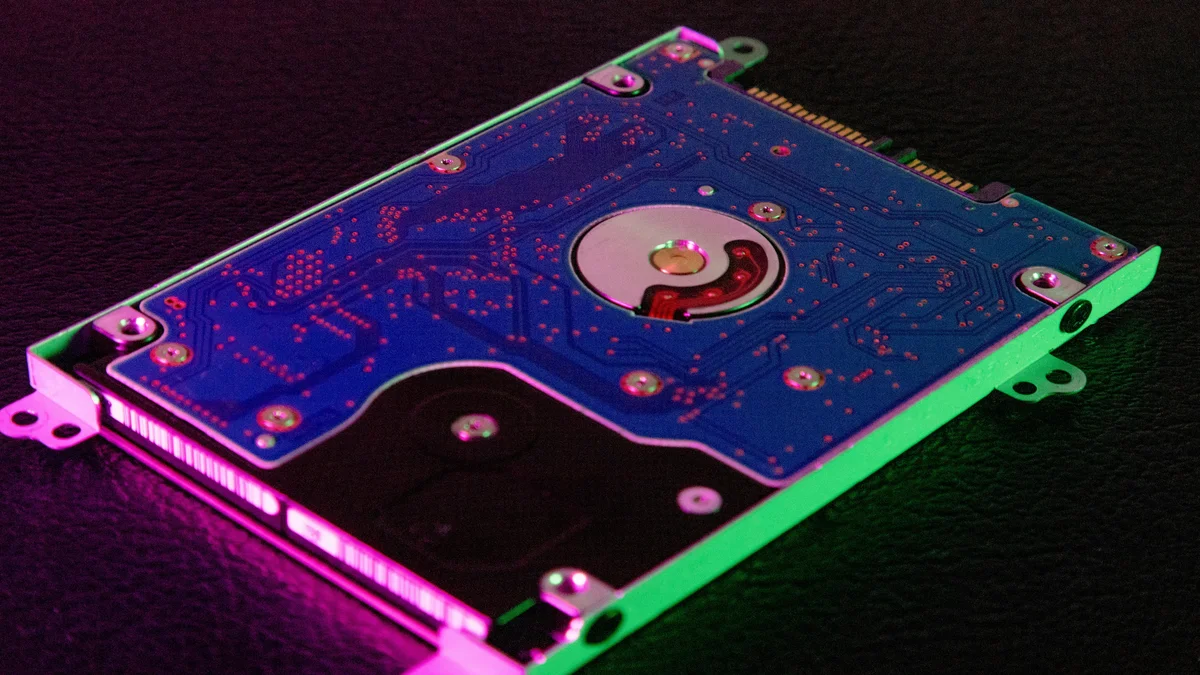
The graphics processing unit market faces substantial upheaval as both AMD and Nvidia prepare to implement significant price increases across their consumer GPU lineups beginning in early 2026.
Industry sources indicate that AMD will initiate price adjustments in January, followed by Nvidia in February, with both manufacturers planning incremental monthly raises extending throughout the year.
The price escalation stems directly from a critical shortage of memory components essential to graphics card production. Memory chip costs, particularly GDDR6 and GDDR7 modules used in consumer GPUs, represent approximately 80 percent of a graphics card's bill of materials.
These memory costs have surged dramatically due to semiconductor manufacturers prioritizing production of high-bandwidth memory (HBM) for artificial intelligence data centers, effectively redirecting supply away from consumer electronics.
The Memory Crisis Reshaping GPU Economics
The underlying cause of this supply crunch traces to unprecedented demand from AI infrastructure providers. Companies including OpenAI, Microsoft, Google, and Alibaba have launched massive buildouts of AI data centers, requiring staggering quantities of memory chips and high-end processors.
This demand has created an acute shortage affecting DRAM (Dynamic Random-Access Memory) modules, particularly DDR5 and specialized HBM variants essential for AI accelerators.
Contract prices for DRAM have experienced extraordinary escalation. Between September and December 2025, contract prices for 16-gigabit DDR5 chips increased from approximately $6.84 to $27.20—a climb of roughly 300 percent in just three months.
Retail-level DDR5 16GB modules surged from $7-$8 in September to over $13 by November and December, representing 60-75 percent increases in the spot market. Some retail pricing reached extreme levels, with 16GB DDR5 kits selling for $225 to $228 in certain locations.
Analysts project that memory price increases will continue accelerating. DRAM prices have already risen approximately 50 percent year-to-date through 2025, with forecasts suggesting an additional 40 percent increase by the second quarter of 2026.
Graphics-specific memory modules face similar pressures, with GDDR prices climbing as manufacturers restrict consumer supply to prioritize AI infrastructure contracts.
Magnitude and Timeline of GPU Price Adjustments
AMD has notified its supply chain partners of a baseline 10 percent price increase across its entire graphics card product line, effective January 2026.
The company is implementing this adjustment in multiple waves, with the initial increase to board partners occurring in January and subsequent price adjustments rolling out through the first quarter.
The price increases are structured incrementally. AMD is imposing approximately $10 additional cost per 8 gigabytes of VRAM in its Radeon RX 9000 series—meaning a 16GB model would see a $20 increase at the wholesale level, while 8GB variants face $10 increments.
These wholesale increases typically translate to even larger retail markups as distributors and retailers apply their own margins.
Nvidia's pricing strategy remains less transparent, though multiple sources indicate that the company will follow AMD's lead in February 2026, with price adjustments targeting the newly launched GeForce RTX 50 series. Some board manufacturers have already begun small price adjustments in December 2025 as fixed-term memory contracts expired, exposing them to volatile spot market pricing.
The flagship RTX 5090, originally priced at $1,999, could experience substantial increases if market conditions remain constrained. While the most speculative forecasts suggest prices might eventually approach $5,000, more moderate industry estimates project more measured increases of $200 to $500 on high-end models.youtube
Differential Impact Across GPU Tiers
The price increases will not affect all graphics cards equally. Models with higher VRAM configurations face proportionally steeper price escalations, as memory costs constitute a larger percentage of their total bill of materials.
Graphics cards with 16 gigabytes or more of VRAM will experience the most dramatic increases, while 8GB and lower-capacity models face relatively modest adjustments.
The tiered impact reflects the underlying economics of GPU manufacturing. High-end professional and enthusiast GPUs, which command premium pricing and utilize maximum memory configurations, will absorb the largest absolute price increases.
Mid-range consumer cards experiencing 10-20 percent increases still face significant retail price growth, while entry-level models encounter more muted impact.
Supply Constraints Compound Pricing Pressure
Beyond pricing adjustments, supply availability presents a separate challenge. Nvidia is reportedly considering production cuts for its RTX 50-series gaming GPUs of 30-40 percent during the first half of 2026, potentially exacerbating the shortage.
This production reduction would primarily affect lower-tier models such as the RTX 5070 and 5060 Ti, as Nvidia prioritizes memory allocation for its highly profitable data center AI accelerators.
Japanese retailers have already begun rationing GPUs with 16 gigabytes of VRAM and higher, signaling that supply constraints are materializing ahead of formal price increases.
This physical scarcity, combined with higher wholesale costs, creates a dual mechanism for price elevation at consumer retail channels.
Structural Causes of Sustained Price Pressure
The global memory shortage represents a structural reallocation rather than a temporary disruption. Memory manufacturers including Samsung, SK Hynix, and Micron have explicitly shifted wafer capacity toward HBM production for AI accelerators because these components generate higher profit margins and command premium pricing from wealthy hyperscalers.
Industry insiders indicate that this reallocation represents a sustained strategic shift rather than a short-term accommodation.
SK Hynix executives have publicly stated that 2026 HBM output is already almost entirely allocated to existing contracts before any additional demand materializes.
This undersupply dynamic, combined with extended lead times for semiconductor manufacturing equipment and advanced packaging capacity constraints, suggests that memory scarcity will persist well into 2027.
Market Implications for Gamers and PC Builders
The convergence of price increases, supply rationing, and production curtailments creates a challenging environment for PC gaming enthusiasts and system builders.
Consumers who delay GPU purchases into 2026 will encounter both substantially higher prices and potentially limited inventory. The pricing structure incentivizes immediate purchases of existing stock before January 2026 price adjustment implementations.
This represents the first significant consumer hardware price increase triggered by AI infrastructure demand.
While AI data centers benefit from economies of scale and can absorb cost increases, consumer gaming and entertainment markets face the full brunt of escalating component costs without corresponding budget increases.
The sustainability of GPU demand at higher price points remains uncertain. Enterprise and professional applications using GPUs may prove more price-inelastic than gaming markets, potentially creating a bifurcation where consumer gaming GPU market volumes contract while professional and AI-focused segments maintain higher pricing.
Nvidia's apparent strategy of constraining consumer GPU supply while protecting data center allocations suggests the company anticipates this demand elasticity.
Competitive Positioning and Market Share Dynamics
AMD's earlier announcement of price increases, occurring before Nvidia's formal action, places the company in a disadvantageous position if consumers shift purchasing decisions based on relative pricing.
However, both manufacturers face identical cost structures for memory components, limiting their ability to leverage pricing as a competitive advantage.
The outcome of this pricing environment may ultimately determine whether consumer GPU market share shifts significantly. If Nvidia maintains more competitive pricing through superior supply chain management or production efficiency, it could gain market share despite lower volumes.
Conversely, if AMD can sustain competitive pricing despite higher costs, the company could improve its market position during this period of elevated prices and constrained supply.