
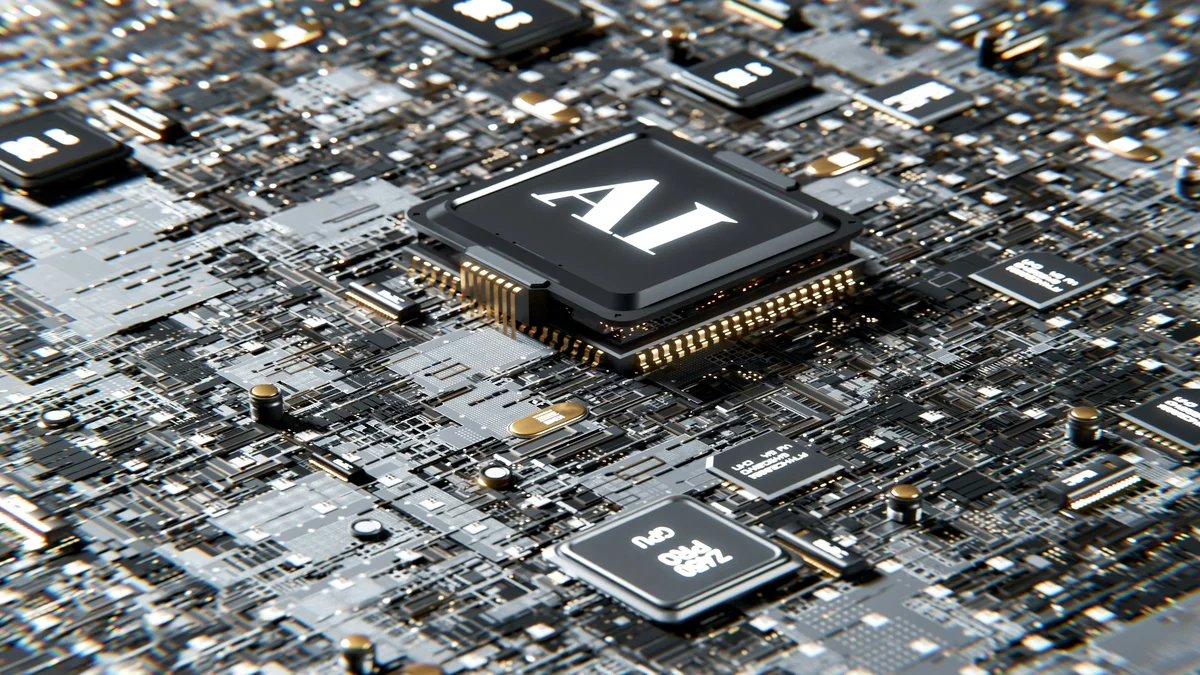
The global semiconductor supply chain faces its most acute crisis in years, with memory chip shortages driven by artificial intelligence infrastructure investments threatening to send consumer electronics prices up by as much as 20 percent throughout 2026.
The dynamic memory access chips and high-bandwidth memory essential to modern devices face unprecedented demand from data centers competing to deploy AI systems, fundamentally reshaping the economics of personal computers, smartphones, and household electronics.
Industry analysts differ on the precise magnitude of price escalation ahead. Daniel Kim, an analyst at Macquarie, predicts an increase of 10 to 20 percent for consumer electronics across categories, while more conservative estimates from Nomura suggest 5 percent as manufacturers pursue cost reduction strategies elsewhere.
The projections carry significant weight, as they come from observers who have tracked semiconductor markets through multiple boom-and-bust cycles.
The root cause of this pricing pressure lies in the structural reallocation of memory manufacturing capacity toward artificial intelligence acceleration. As cloud service providers—Amazon, Google, Microsoft, and others—rapidly expand data center infrastructure to power large language models and neural networks, they compete aggressively for high-bandwidth memory chips used in AI accelerators and servers.
Samsung and SK Hynix, which control over 70 percent of the DRAM market, have confirmed that orders for 2026 have already exceeded their total production capacity. Samsung moved swiftly in late 2025, raising prices on select memory chips by up to 60 percent compared to September levels, underscoring the severity of allocation constraints.
The magnitude of price movement in foundational memory components has already become extreme. Dynamic random-access memory module prices in the consumer channel experienced a fourfold increase in three months, rising from approximately $6 per gigabit in September 2025 to $27 by December. Spot and contract pricing for DDR5 memory, the standard for current-generation consumer hardware, jumped 300 percent in the same period.
Memory manufacturers reported December contract prices for DRAM and NAND flash surging 80 to 100 percent month-on-month, according to representatives at TeamGroup, a major memory module producer. This explosive appreciation reflects the chaotic conditions described by market observers: buyers in panic, willing to pay any price to secure allocation before inventories deplete entirely.
Market research firm TrendForce projected that average DRAM prices, including high-bandwidth memory chips, would rise 50 to 55 percent in the fourth quarter of 2025 compared to the previous quarter.
The forecast assumed conditions would worsen further into 2026, with some analysts expecting memory prices to climb an additional 40 to 50 percent in the opening months of the year before any relief materializes.
The pressure extends directly to personal computer manufacturers, who face an acute cost squeeze. Memory traditionally represented 8 to 10 percent of a notebook or desktop computer's bill of materials. By mid-2025, this figure jumped to 15 to 20 percent, with some analyses placing memory at 25 to 30 percent of total component costs. Dell issued price-increase notices to customers in December 2025, signaling hikes of at least 15 to 20 percent effective immediately.
Dell's chief operating officer, Jeff Clarke, stated bluntly that he had "never seen memory-chip costs rise this fast" when speaking to investors in November. Lenovo, the world's largest personal computer manufacturer by shipments, sent similar warnings to customers that all existing price quotes would expire on January 1, 2026, with adjustments reflecting the escalating cost of memory procurement. HP, Acer, and ASUS followed with comparable notifications to their customer base, indicating that the price pressure is universal across the industry rather than isolated to single manufacturers.
Manufacturers face a stark choice: absorb the higher component costs and sacrifice operating margins, or pass costs to consumers and risk demand destruction. Most major vendors have chosen to raise prices. Industry development teams at Lenovo, Dell, HP, and other established brands are reportedly rethinking their 2026 product roadmaps, with several delaying new model launches or reducing production commitments.
IDC, which tracks personal computer markets globally, downgraded its 2026 notebook shipment forecast from expected growth of 1.7 percent to an anticipated decline of 2.4 percent, citing the intersection of rising costs and constrained consumer demand at higher price points.
Some manufacturers are exploring specifications trade-offs to manage bill-of-materials costs. Rather than reducing prices, vendors may offer machines with lower memory configurations—16 gigabyte units becoming less available while 8 gigabyte models gain shelf space—allowing companies to preserve margins while appearing to maintain price consistency.
This approach masks real price increases in unit cost-per-gigabyte terms while degrading user experience and product competitiveness for purchasers seeking upgradeability.
Smartphones face comparable pressure. Counterpoint Research, which analyzes mobile device markets, projected that average selling prices for smartphones would increase 6.9 percent in 2026, nearly double the previously anticipated 3.6 percent rise. Budget smartphones priced below $200 have already experienced material cost increases of 20 to 30 percent since the beginning of 2025, reflecting the disproportionate impact on lower-margin product categories.
Mid-range and high-end smartphones saw more modest increases of 10 to 15 percent but nonetheless face upward pricing pressure. Counterpoint warned that memory costs could escalate an additional 40 percent through the second quarter of 2026, pushing bill-of-materials costs 8 to 15 percent above current elevated levels. Xiaomi, the Chinese smartphone manufacturer, increased prices for flagship models in October 2025 and signaled further adjustments ahead as supply chain challenges intensify.
The crisis extends into automotive electronics, where data-heavy systems for infotainment, cockpit controls, and advanced driver assistance require increasing amounts of DRAM. The automotive sector experienced a severe chip shortage in 2021 that prevented production of over 10 million vehicles globally.
The current memory squeeze, though not affecting automotive-grade semiconductors as broadly, risks disrupting production of vehicles dependent on sophisticated electronics and autonomous systems. S&P Global Mobility research indicates that the automotive sector will face pricing elasticity and partial supply shortages extending into 2027, creating cascading delays in new model launches for manufacturers dependent on memory availability.
The timeline for relief remains uncertain. New fabrication facilities capable of producing memory chips require minimum construction periods of two to three years, and equipment lead times stretch 18 to 24 months. Samsung announced expansion plans for memory production capacity in South Korea, while SK Hynix committed to a $91 billion chipmaking cluster investment, but meaningful capacity additions remain years away.
Samsung committed to increasing HBM production capacity by 50 percent by the end of 2026, yet even this ambitious expansion falls far short of correcting the structural supply deficit. The advanced packaging technologies required to assemble next-generation chips—such as TSMC's chiplet-on-wafer-on-substrate process—remain fully booked until 2027.
Industry participants acknowledge that the shortage will persist into late 2027 or 2028 before normalization occurs. TeamGroup's general manager projected that memory shortages would worsen in the opening quarters of 2026 as distributor stockpiles deplete, with relief dependent upon new production capacity becoming operational.
The constraint on affordable memory will likely define computing economics throughout 2026 and into 2027, affecting device purchase decisions across consumer, enterprise, and industrial markets.
The allocation of supply favors large cloud service providers and established technology manufacturers with negotiating leverage. Amazon, Google, Microsoft, and other hyperscalers have negotiated long-term capacity agreements with memory manufacturers, securing allocations at priority levels that consumer electronics brands cannot match.
This structural advantage forces smaller and mid-tier manufacturers to source through spot markets at inflated prices or accept allocation shortfalls that compromise production schedules.
Morgan Stanley projects that major U.S. technology companies will allocate $620 billion to artificial intelligence infrastructure investments in 2026, up from $470 billion in 2025, with global spending on AI data centers and related equipment anticipated to reach $2.9 trillion by 2028.
This unprecedented capital commitment ensures continued, relentless demand for high-bandwidth memory components and justifies the prioritization decisions of Samsung, SK Hynix, and Micron to redirect manufacturing capacity away from consumer-grade semiconductors.
Some observers have warned that the situation mirrors, in magnitude and disruption potential, the severe supply chain crises encountered during the COVID-19 pandemic.
The combination of inelastic demand from cloud infrastructure operators, limited production capacity, geopolitical constraints on raw material sourcing (including gallium and germanium from China), and the absence of alternative suppliers creates a scenario where prices could surge far beyond current projections if supply constraints tighten further.
Consumers entering 2026 face the dual challenge of higher device prices and constrained choice. Electronics manufacturers managing reduced margins will limit new product launches, extend upgrade cycles for existing designs, and prioritize production of higher-margin models where pricing power exists. Budget-conscious consumers seeking to upgrade computers, smartphones, or consumer electronics should expect price increases across all categories, with the steepest rises applying to memory-intensive devices and configurations.
The 20 percent upper-bound estimate represents a realistic scenario if supply tightens further and manufacturers pass through all rising component costs without absorbing margin compression. Lower estimates assume successful cost management through operational efficiency and selective specification reductions that degrade consumer value without proportionally reducing retail pricing.